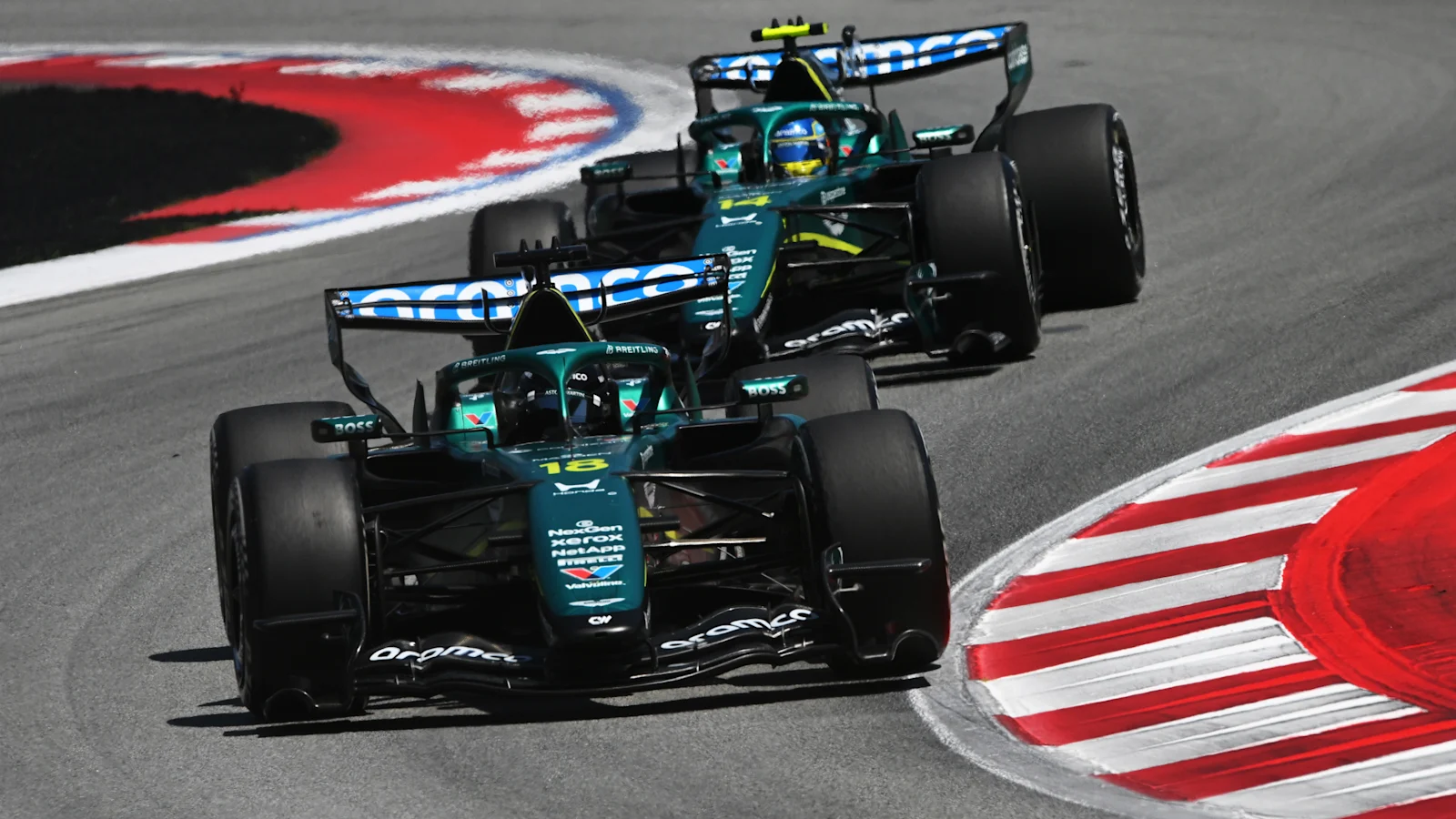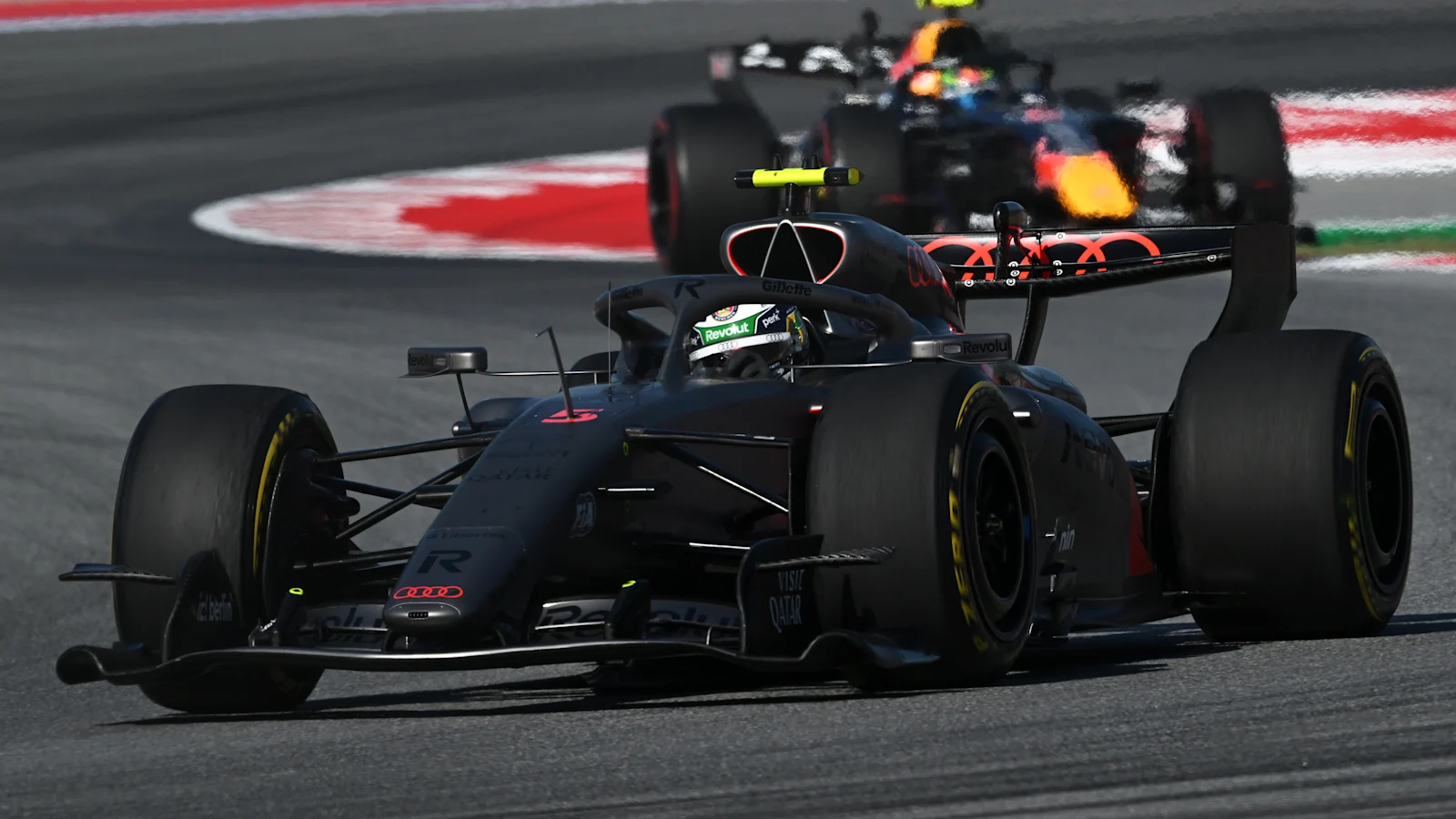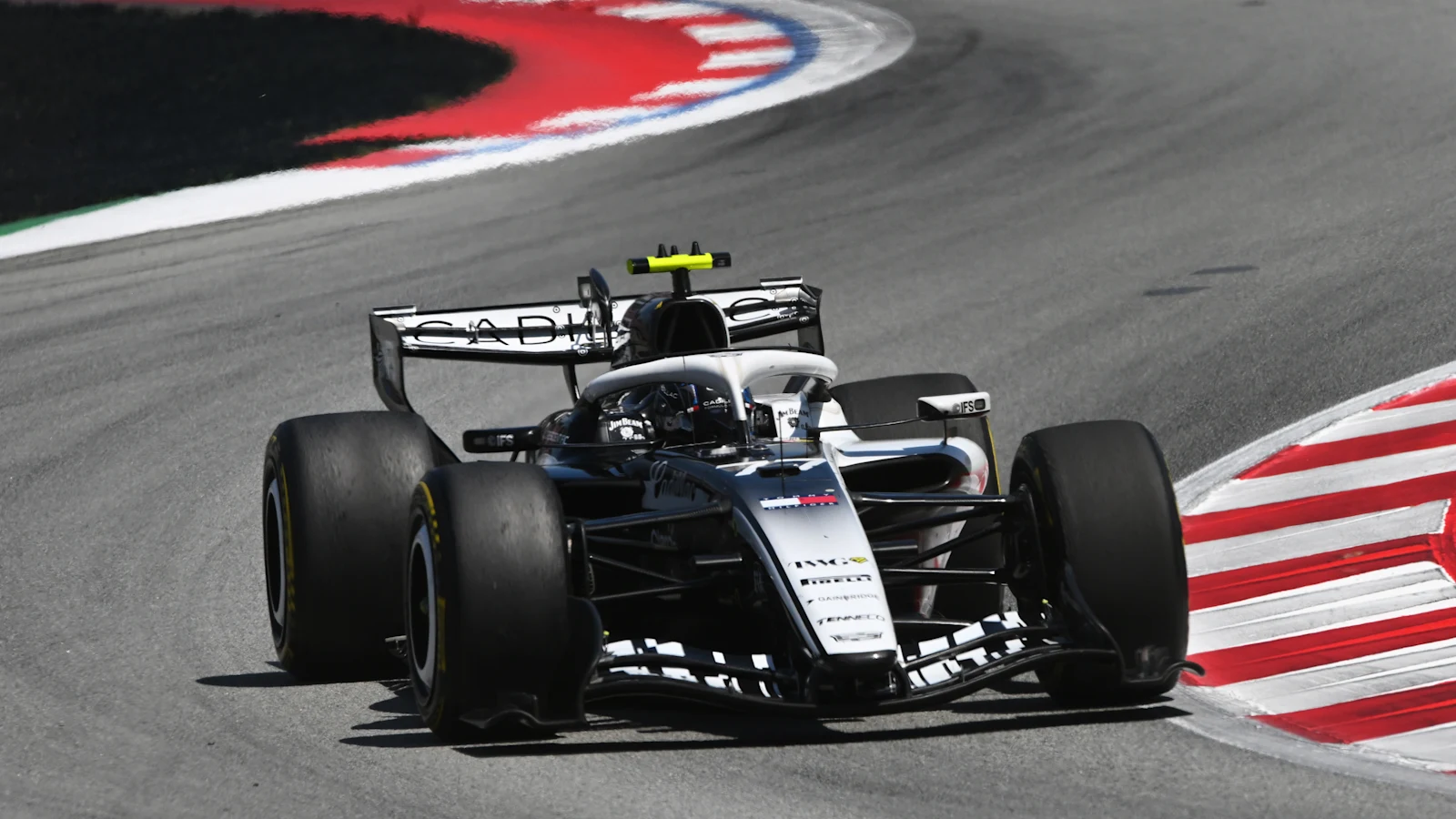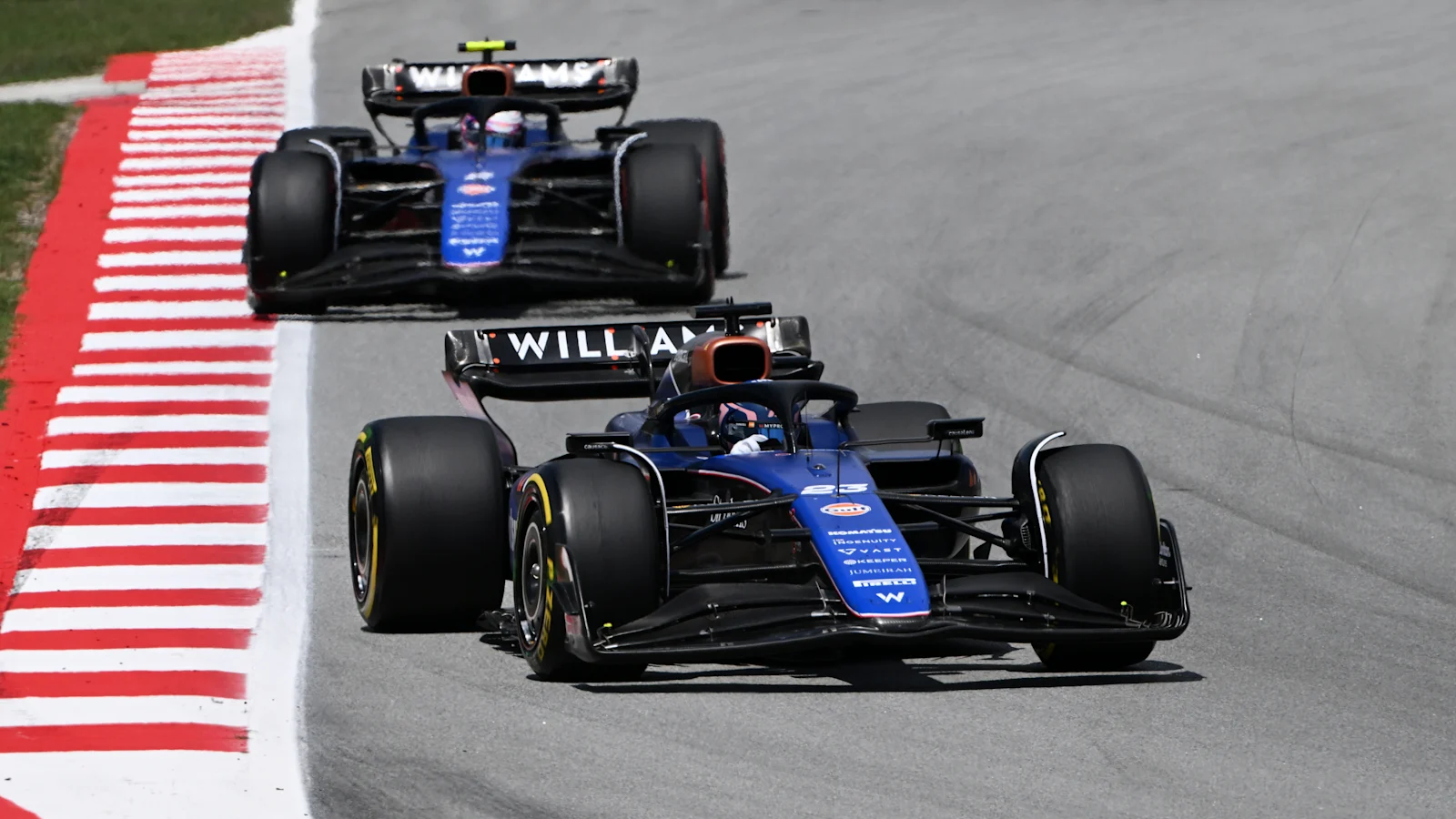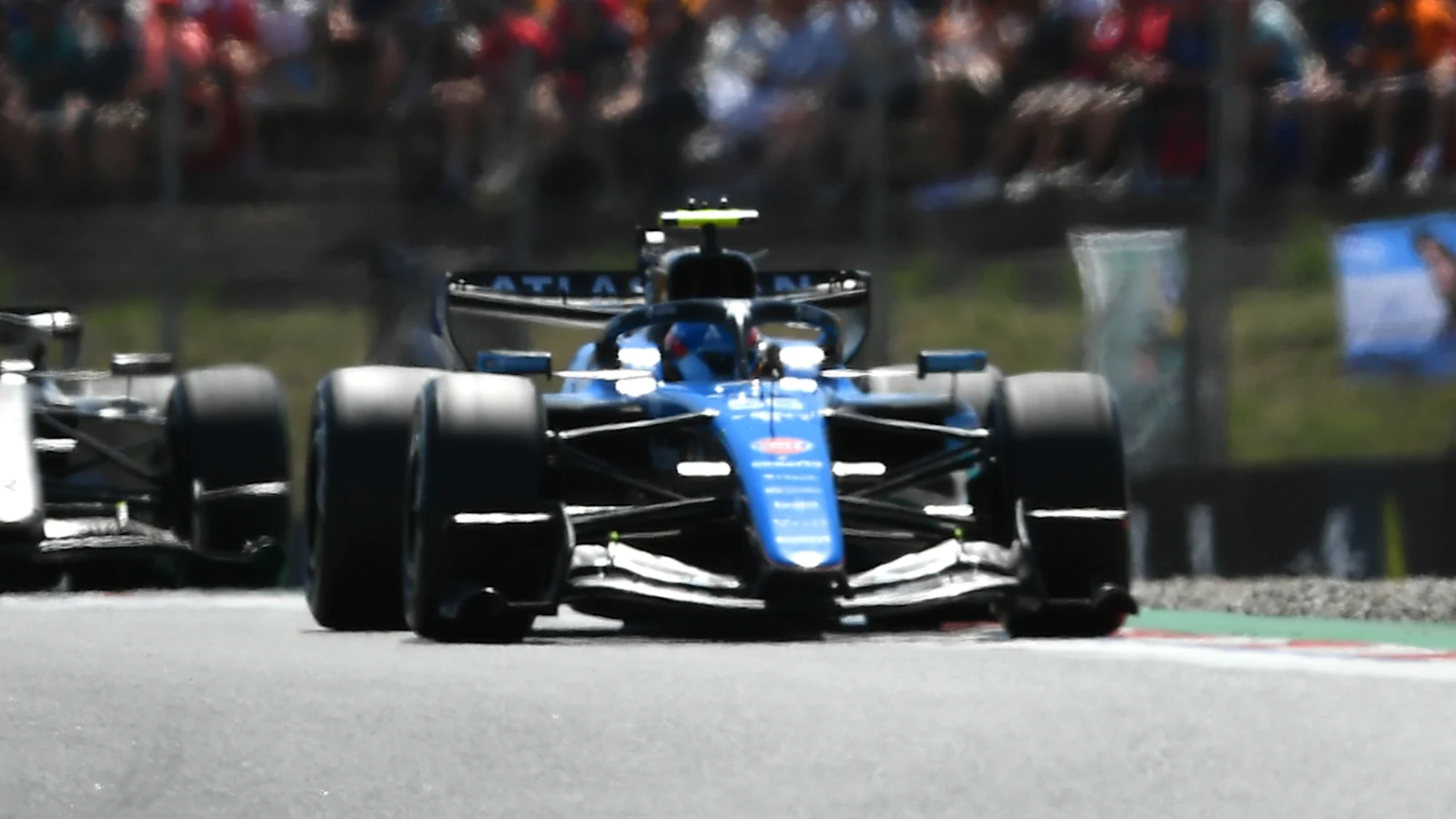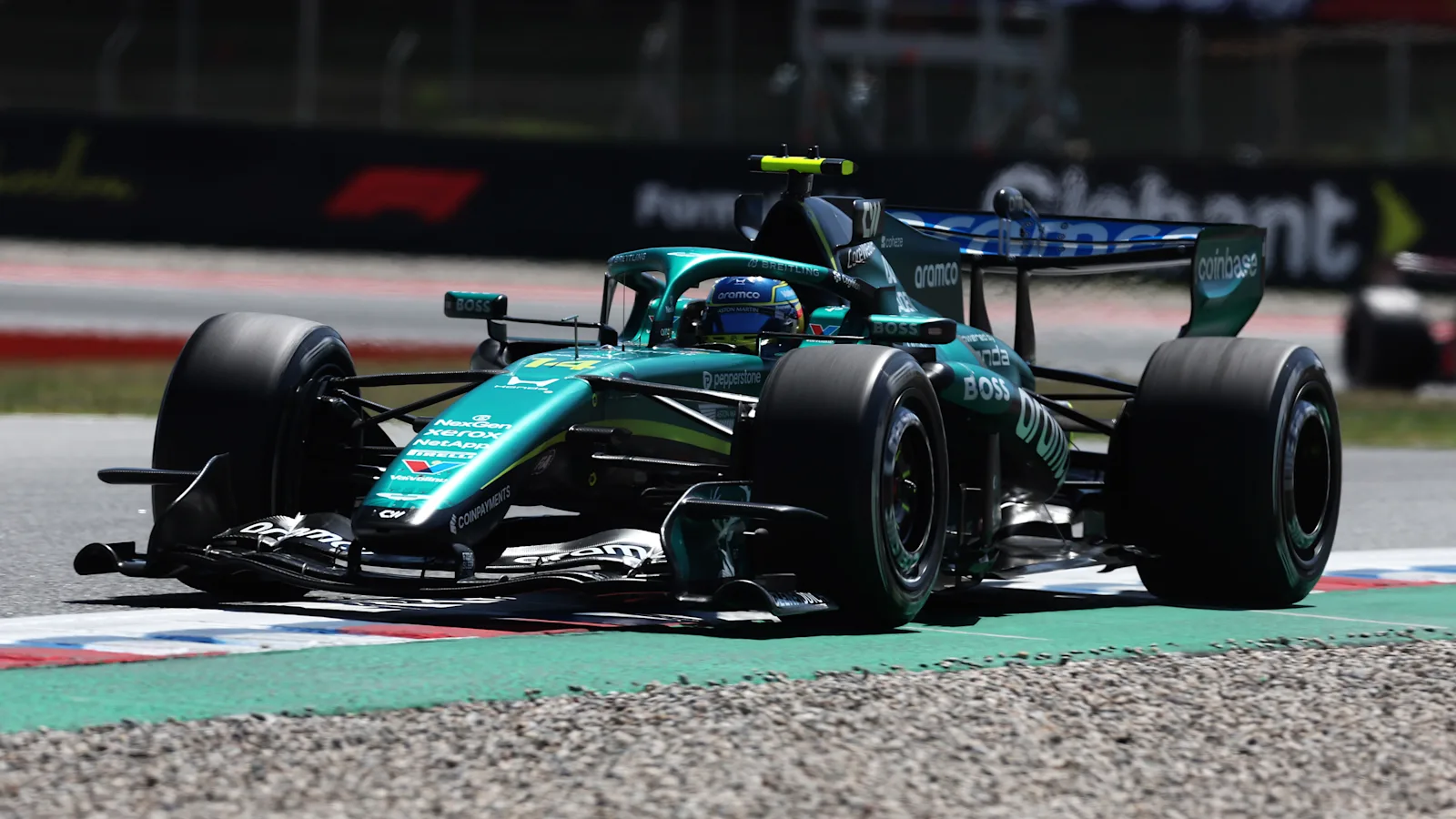

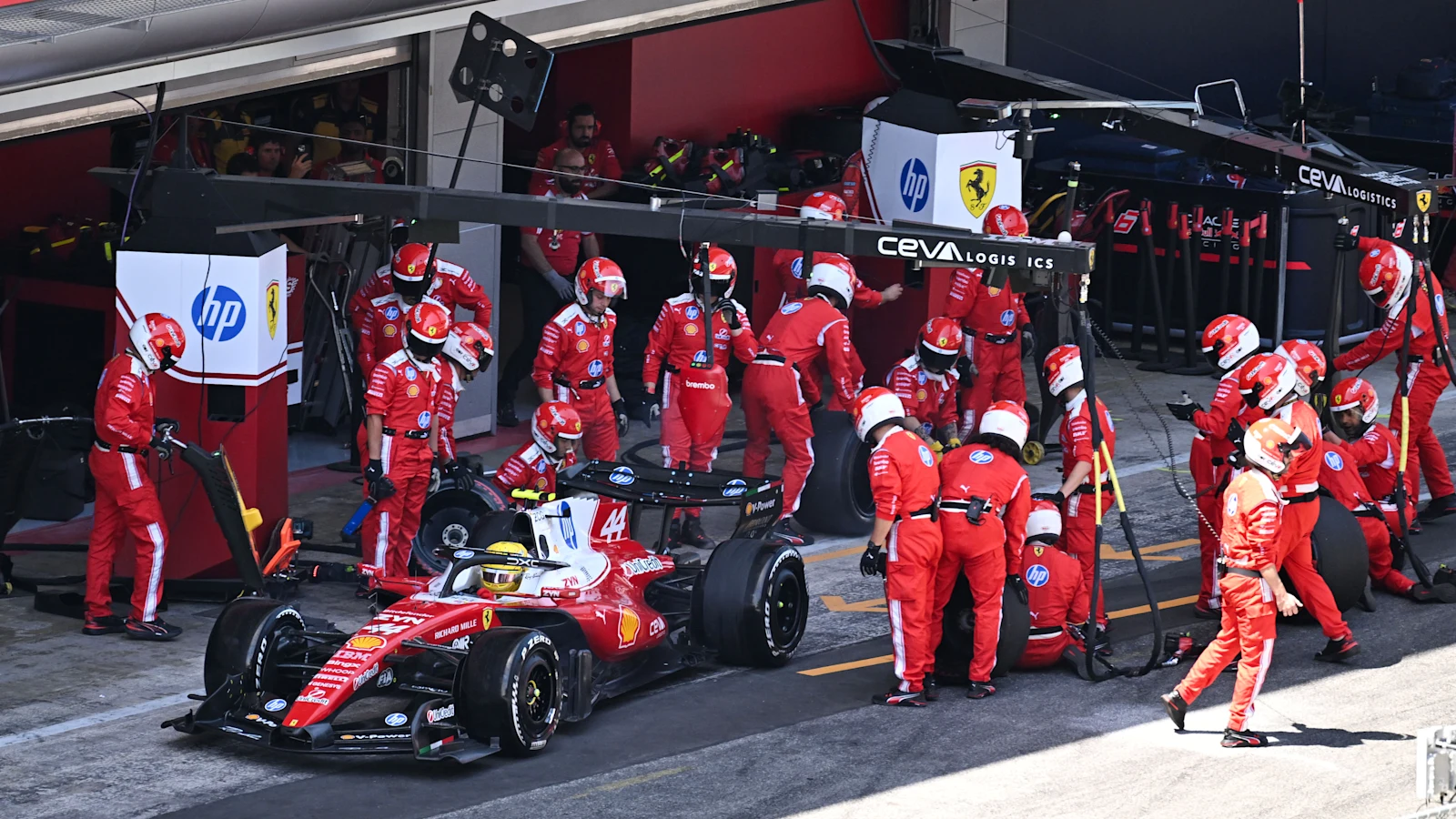
Spain's sensible starting point is a one-stop. Thirteen laps on Mediums leaves twenty on Hards, a distance that has already been made to work. The difficult part is deciding how much pace to sacrifice to keep that single stop intact.
The latest forecast favours dry running, and with Safety Car risk also low around Barcelona, tyre choices and pit timing look set to carry much of the race.
L2 drivers can aim at L1 qualifying pace
Expect qualifying times around 1:12.4 for L0, 1:12.9 for L1, 1:13.0 for L2 and 1:13.8 for L3. The quicker L2 runners have already reached L1 territory, so a clean lap could put them ahead of drivers with the higher licence. The L0 and L2 estimates are still early guides, with fewer drivers to judge them by, but those are useful times to aim for as the weekend begins.
Staying out has a price
By the end of a long opening stint, the Medium runs we studied were lapping around 1.2 seconds slower than they had early on. Staying out another lap can therefore mean accepting a sizeable loss of pace to shorten the Hard stint that follows.
That trade can be worthwhile. The long Hard runs also slowed by around a second a lap towards the finish. Pitting earlier gives access to a fresh tyre sooner, but leaves it with more work to do at the end, when someone who stopped later may still have pace to use.
Around lap 13 gives both tyres a manageable share of the race. Extending the Medium stint to fourteen laps also worked well, so a driver still producing good times has room to stay out. If the pace is falling away, waiting simply to reach the planned lap can become expensive.
An early stop offers a more aggressive route. In one comparison, fresh Hards covered five laps almost nine seconds quicker than a car still on its opening Mediums. That is a substantial opportunity to recover time while rivals stay out.
The rest of the race still has to pay for it. That early-stopping run made another tyre change and eventually took 5.7 seconds longer over the full distance. Its quick laps recovered plenty of time, yet the two-stop still took longer to complete the race. An early change needs a plan for the finish as well as an immediate pace gain.
Two stops need speed that lasts
A second stop is worth keeping available if the Hard stint is becoming too costly. The Medium–Hard–Medium option came within three tenths of a one-stop over the full distance, despite making the extra visit. Over its final ten laps, it was almost ten seconds quicker.
The catch was how quickly that advantage shrank. Over laps 24–29, the two-stop gained around 1.6 seconds per lap against the one-stop. In the final four laps, the gain was down to little more than a tenth. The pace that made the extra stop attractive was almost gone by the flag.
Fresh tyres need to keep paying
The two-stop's lap-time advantage was around 1.6 seconds per lap over laps 24–29, then little more than a tenth over the final four laps.
That makes the closing stint the test of a two-stop plan. A few quick laps after fitting Mediums can make the decision look excellent, but the gain has to last long enough to repay the stop. In this comparison, the driver needed a little over a second per lap for the final ten laps and fell just short.
The two-stoppers had relatively few cars to overtake in the practice runs. A fuller grid makes that recovery harder: catching a car is only part of the job, and time spent finding a way past eats into the fresh-tyre advantage.
For someone keeping the Hards competitive, another stop is a sizeable bill to take on. For someone already losing time lap after lap, fresh Mediums offer a way to attack the finish. The decision rests on how much pace is still available on the current set, and how long the replacement can keep its advantage.
Our verdict: one stop on lap 13, switching from Mediums to Hards for the run to the flag.
If you want to see the raw data, check out Runback. The system is still in beta, but your feedback would be invaluable!
 ▶D0
 ▶D1
 ▶D2
 ▶D3
 ▶E3